
3 days
Specific Tour
100 people
English
There are 2 different packages so you can choose which is best for you, departing on either Tuesday or Thursday.
We pick up from hotel at 07:15 am and transfer you to Sharm airport, from here you will fly to Luxor by Egypt airline at 08:40 am for 50 minutes .
On arrival at Luxor airport approximately you will be met by your English speaking Egyptologist tour guide.
You will start the tour of Luxor by crossing over to the West Bank to visit the Valley of Kings where, for a period of nearly 500 years from the 16th to 11th century BC, amazing tombs were constructed for the Pharaohs and powerful nobles of the New Kingdom of Egypt. The valley is known to contain 63 tombs and chambers ranging in size from a simple pit to a complex tomb with over 120 chambers.
Next up is the Temple of Queen Hatshepsut, widely considered one of the “incomparable monuments of ancient Egypt“, the Mortuary Temple of Queen Hatshepsut is located beneath the cliffs at Deir el Bahari on the west bank of the Nile near the Valley of the Kings.
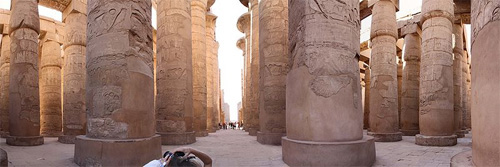
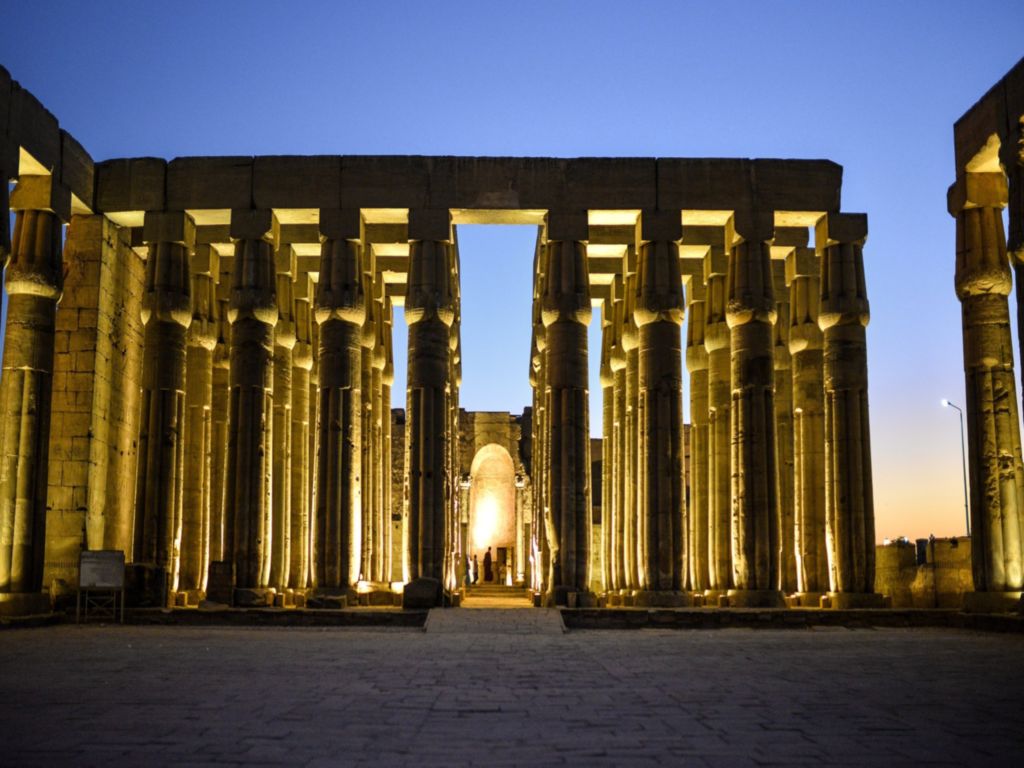
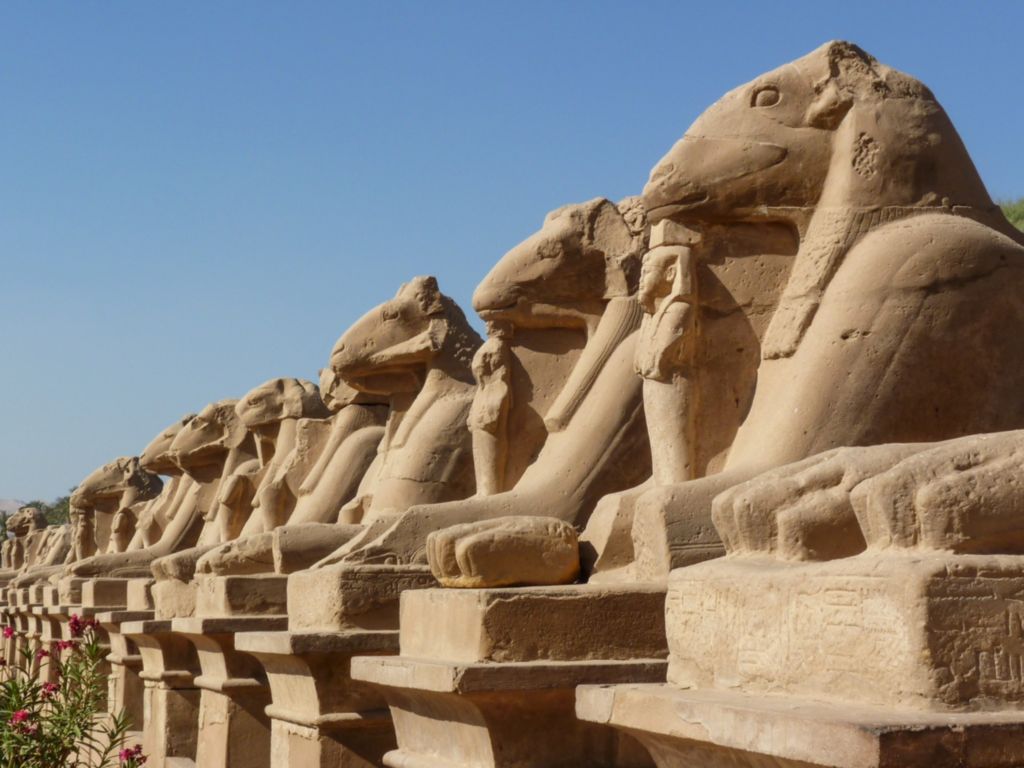
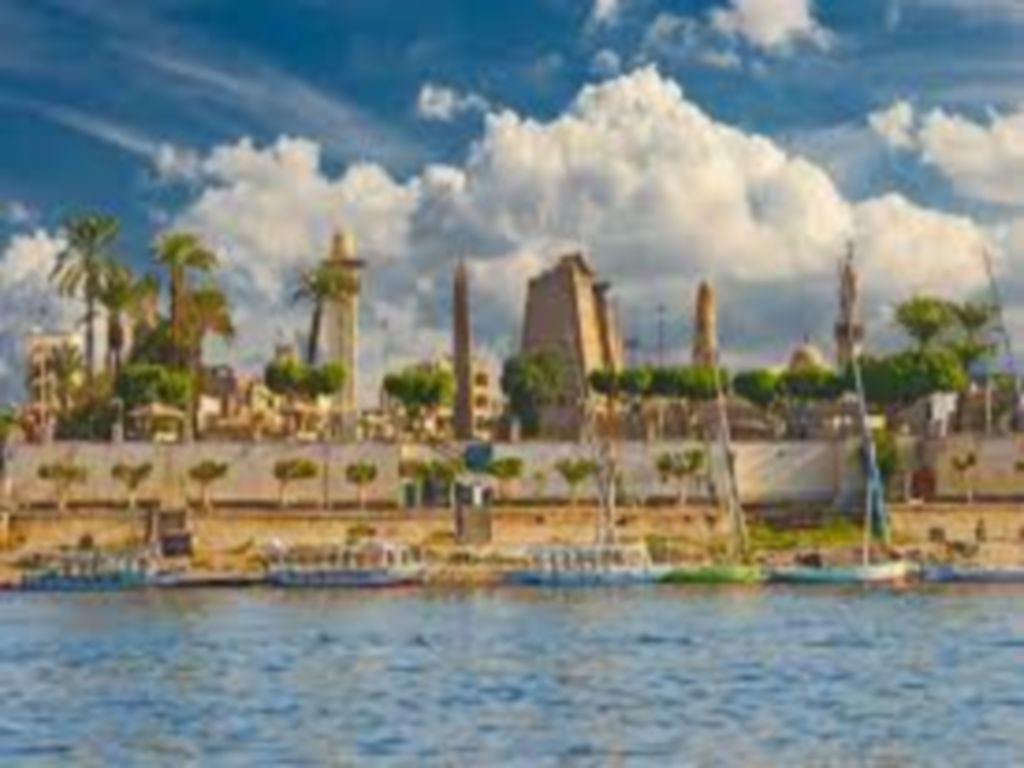
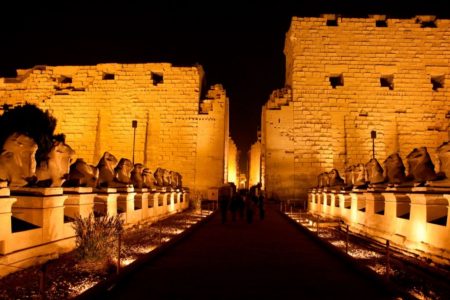
After seeing the fantastic temple you will be taken to a resturant for a 5* lunch before visiting Karnak Temples. The Karnak Temple Complex�usually called Karnak �comprises a vast mix of ruined temples, chapels, pylons, and other buildings, notably the Great Temple of Amun and a massive structure begun by Pharaoh Ramses II.
The complex is a vast open-air museum and the largest ancient religious site in the world. It believed to be the second most visited historical site in Egypt, second only to the Giza Pyramids near Cairo which you will be seeing later on the tour!
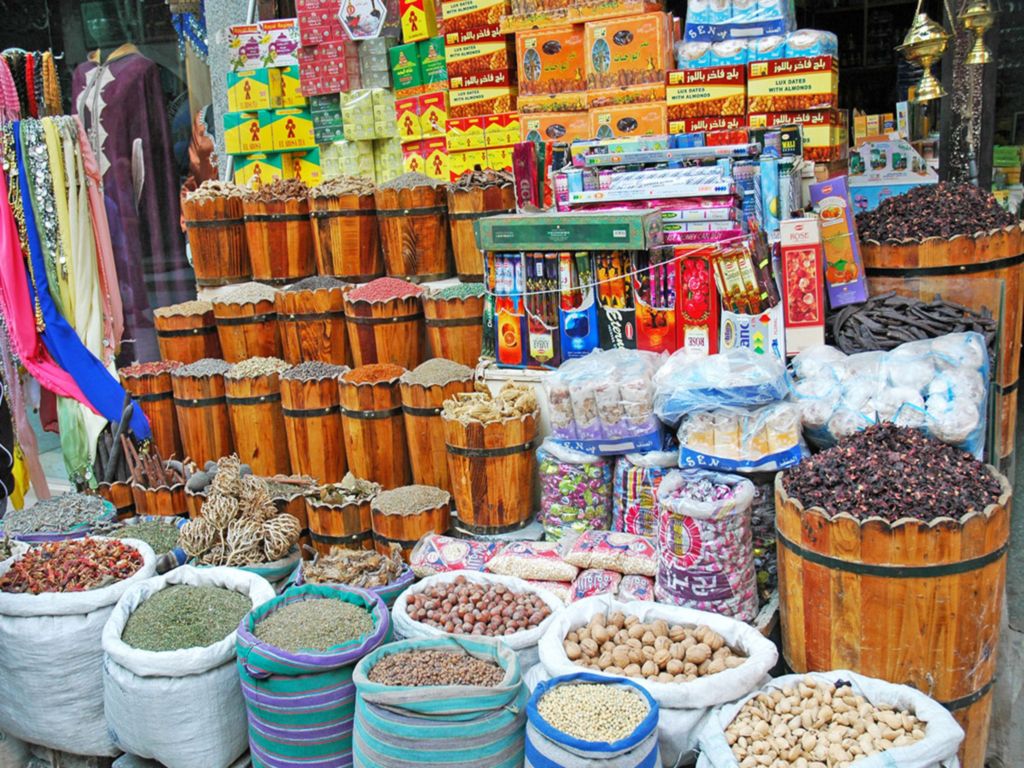
Take some time after your day seeing the ancient monuments and temples of Luxor to relax, have a look around the bustling markets or sit in of Luxor’s cafes with a cup of Egyptian tea.
Time to fly to Cairo after stopping off at the Statues of Memnon, two massive stone statues of Pharaoh Amenhotep III. For the past 3400 years they have stood in the Theban necropolis, across the River Nile from the modern city of Luxor. The 2 massive structures always leave our guests asking our tour guides the same question – how did they do it?
After a short flight (45 minutes) from Luxor you arrive in the amazing city of Cairo, where our rep will be waiting to take you to your B&B for the night.
Your day in Cairo will begin at 8.30 where an air-conditioned private car will pick you up from your hotel and take you to the Egyptian Museum.
Built in neo-classical style, designed by the French architect Marcel Dourgnon the museum exceed 120000 masterpieces ranges from pre-dynastic era, Pharaonic era to the Greco-roman period in Egypt and includes the treasures of the child King Tutankhamen, Pharaonic Gods and Goddess.
You may also visit the mummies room at the Egyptian Museum for a background about the Egyptian civilization and the mummification art in ancient Egypt.
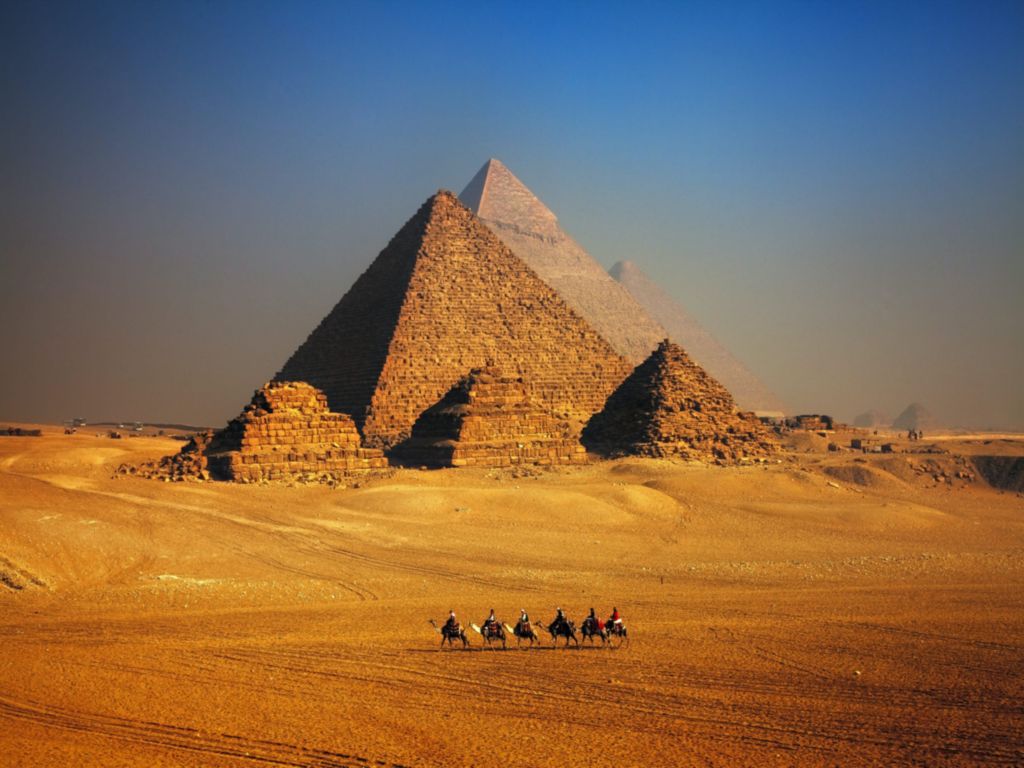
The oldest of the seven wonders of the ancient world, the Pyramids of Giza are the very reason alot of people come to Egypt, and seeing them close-up never disappoints.
Constructed over a 20 year period concluding around 2560BC, the pyramids of Cairo was the tallest man-made structure for over 3,800 years, to this day we still do not know for sure exactly how they were built, although there are many theories.
During the Cairo tour we will give you much more information on the amazing Pyramids of Giza, and any questions you may have will be gladly answered by your Egyptologist tour guide.
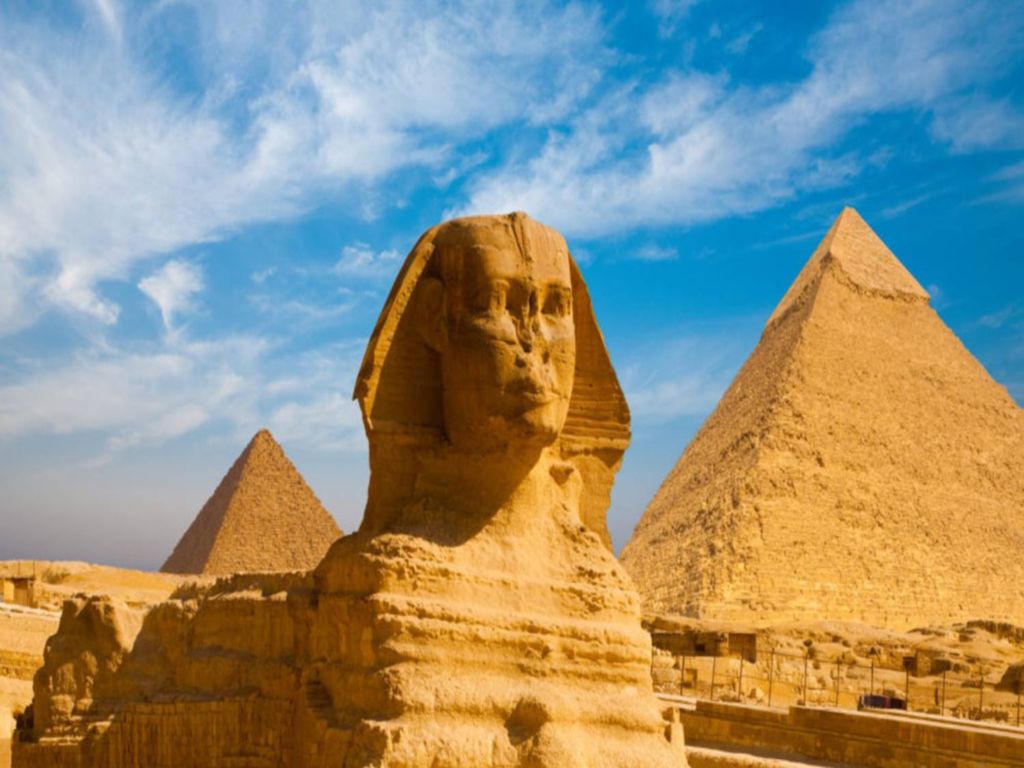
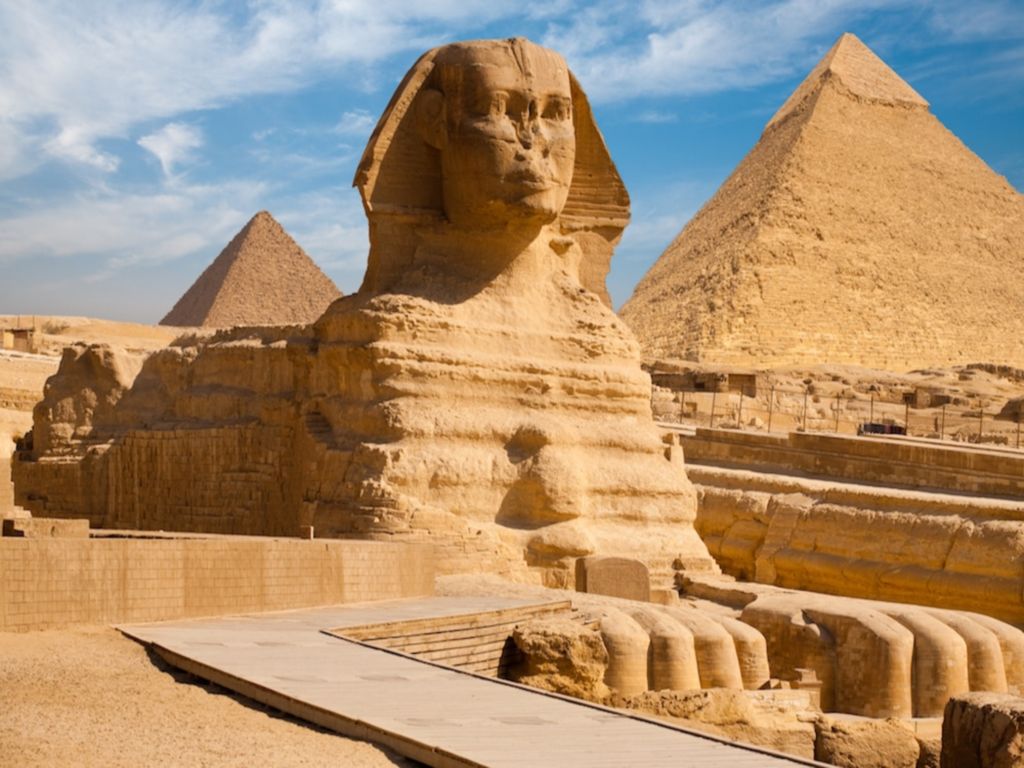
After you have seen the pyramids of Cairo, your next stop will be the Sphinx. The Great Sphinx of Giza is a mythological creature, formed of a lions body and a human head.
Standing over 73metres long and 20metres high, the The Great Sphinx of Giza is the oldest known monumental sculpture, and is commonly believed to have been built by ancient Egyptians of the Old Kingdom in the reign of the pharaoh Khafra.
During the tour of Cairo, you will find out how the nose of the Sphinx was broken off by Napololeon’s soldiers, which can still be seen today.
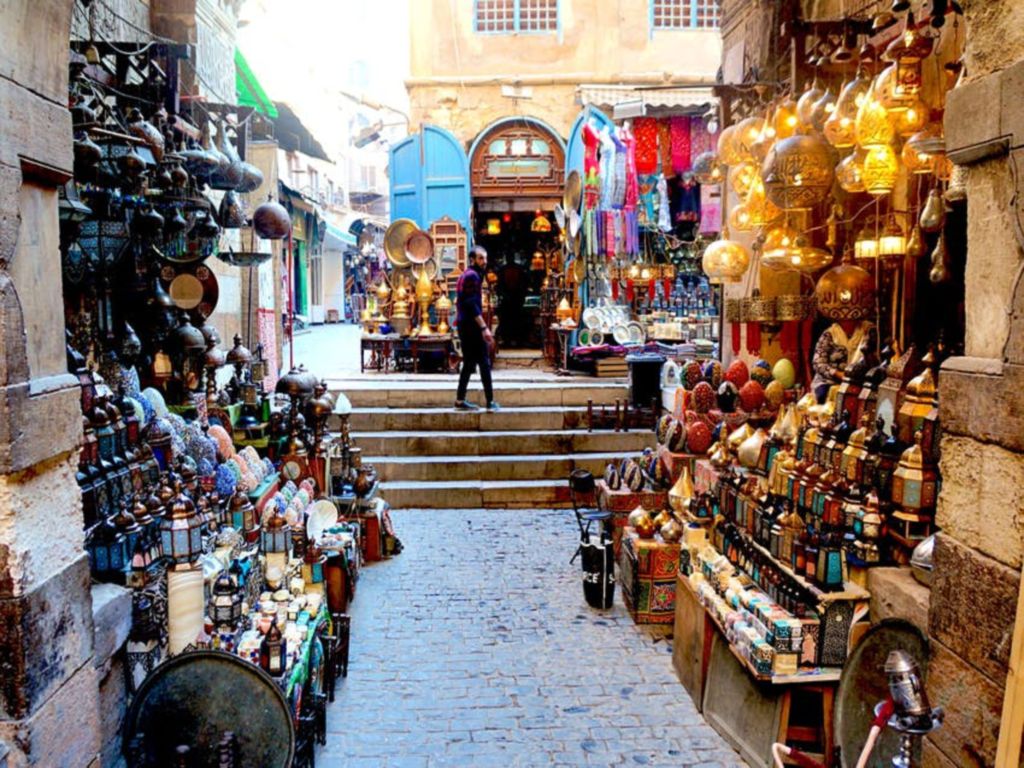
Next up is a break for some lunch on the Nile, this will be a large buffet with foods to cater for all followed by some time for shopping in the world famous bazaars of Cairo.
After a busy day seeing the sights of Cairo you will be transferred back to your hotel in Cairo for the night.
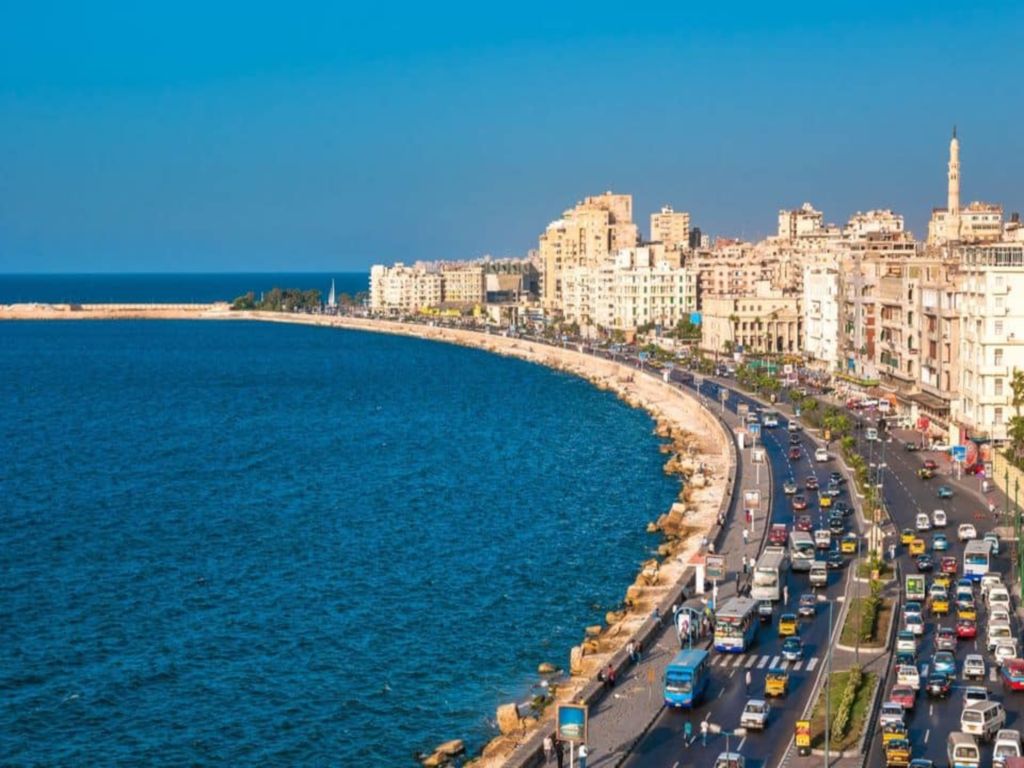
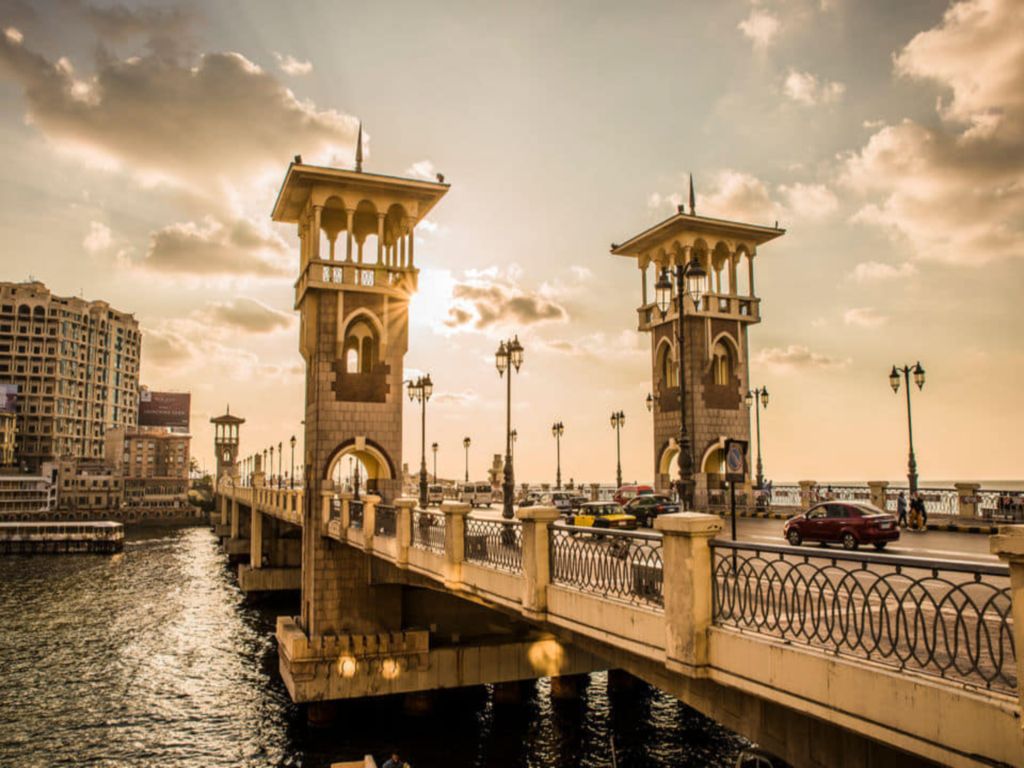
On the final day of the 3 day tour you will be picked up from your hotel after breakfast and will be driven to Alexandria, about 2 hours away.
The Graeco-Roman Museum of Alexandria in Egypt was created in 1892. It was first built in an 5-room apartment, inside one small building in Rosetta Street (later Avenue Canope and nowadays Horriya).
Housed within an historic building whose beautiful neo-classical facade of six columns and pediment bears the large Greek inscription, `MOY�EION`, the Museum consists of 27 halls and an attractive garden, which offer an excellent introduction to the Greek and Roman art of Egypt.
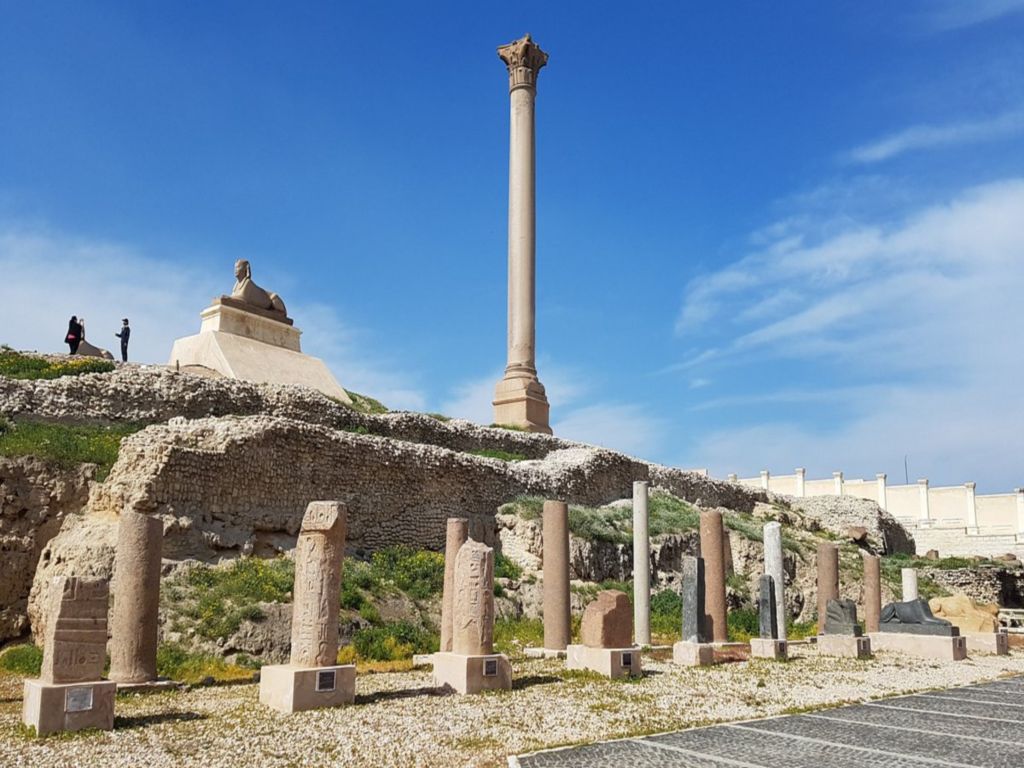
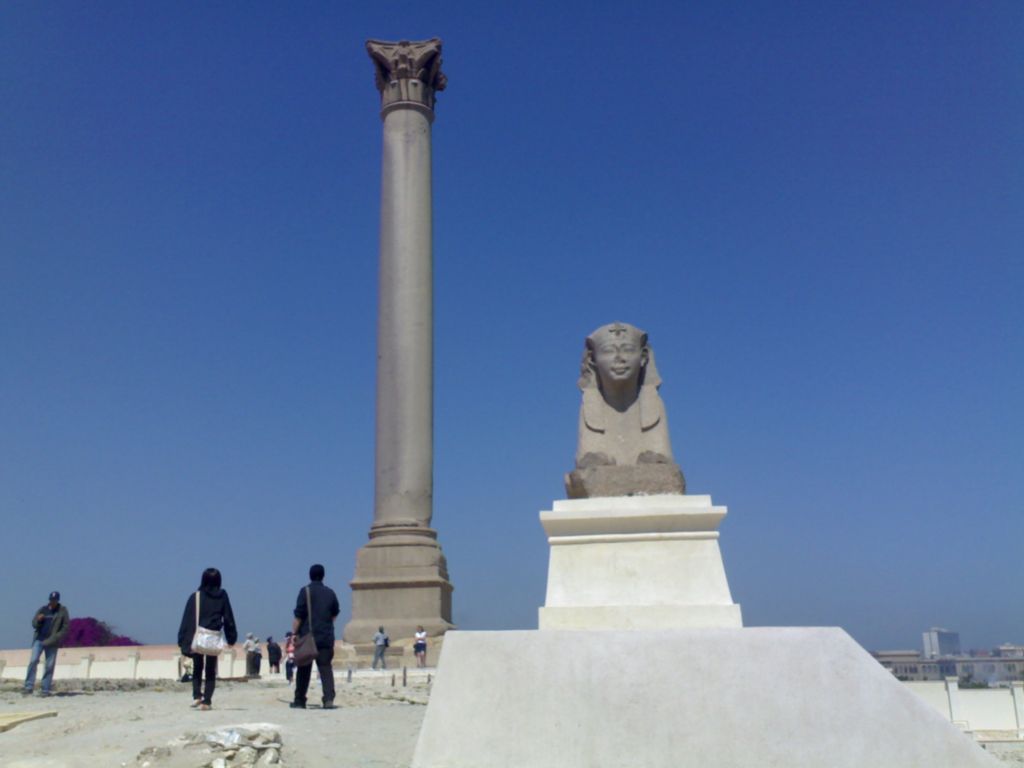
After leaving the museum you will visit Pompey Pillar. Pompey’s Pillar is a Roman triumphal column in Alexandria and the largest of its type constructed outside of the imperial capitals of Rome and Constantinople. The only known free-standing column in Roman Egypt which was not composed of drums, it is one of the largest ancient monoliths and one of the largest monolithic columns ever erected.
The monolithic column shaft measures 20.46 m in height with a diameter of 2.71 m at its base. The weight of the single piece of red Aswan granite is estimated at 285 t. The column is 26.85 m high including its base and capital. Erroneously dated to the time of Pompey, the Corinthian column was actually built in 297 AD, commemorating the victory of Roman emperor Diocletian over an Alexandrinian revolt.
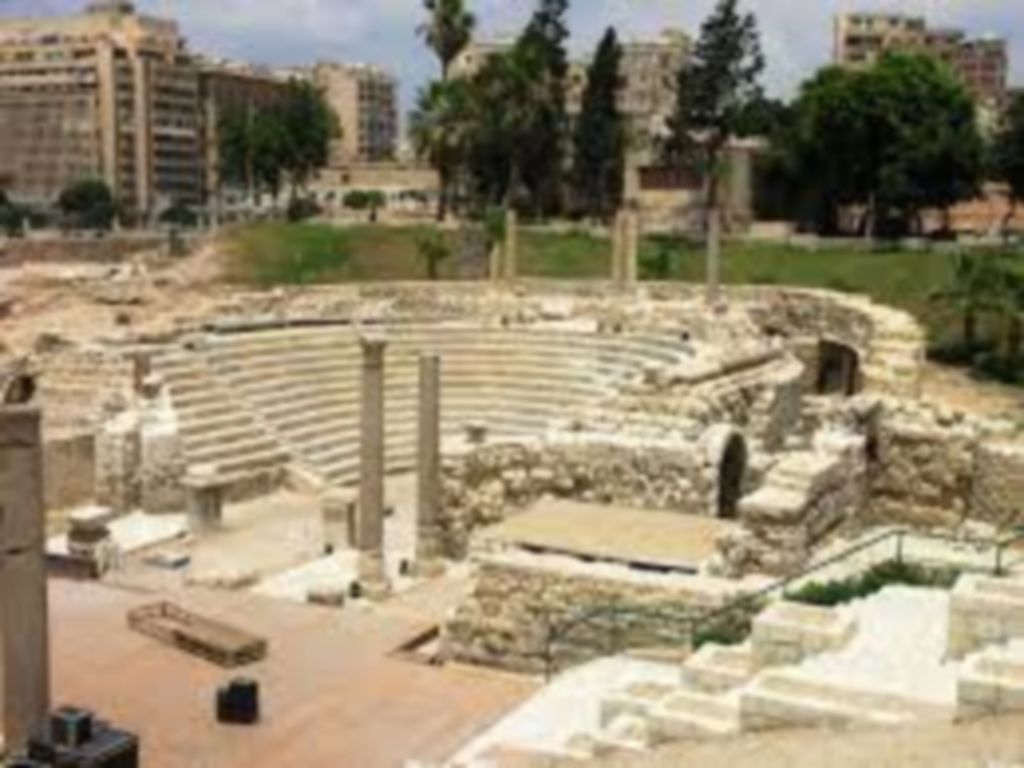
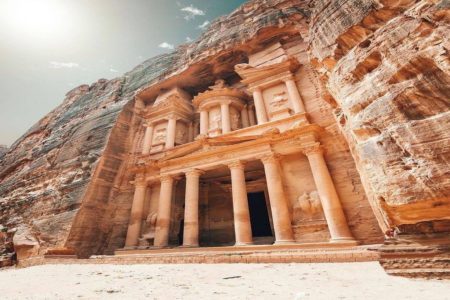
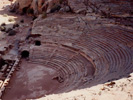 Beyond the Street of Facades lies the Theatre, which was constructed in the early 1st century AD by Nabataeans and enlarged and improved by the Romans shortly after their annexation of the Kingdom in 106 AD. They accomplished this by ruthlessly gouging away a street of houses or tombs in order to extend the rear of the auditorium, which could then accommodate 3000 people.
This also improved the acoustics of the theatre and supported a drain, which took the run-off water around the sides of the theatre. The standard Roman-design theatre today lies open to the Outer Siq, but would originally have been enclosed by a wall and completely cut off from the street.
After seeing the sights of Alexandria we go to the city centre for lunch before visiting the National Museum of Alexandria.
Your third day of the tour is finished and we will transfer you back to Sharm, where our rep will be waiting for you to take you back to your hotel.

Member Since 2023












Leave a reply