
over 1 day
Specific Tour
100 people
English
Jerusalem is a holy city to the three major Abrahamic religions – Judaism, Christianity and Islam. In Judaism, Jerusalem has been the holiest city since King David of Israel first established it as the capital of the united Kingdom of Israel in c. 1000 BCE, and his son Solomon commissioned the building of the First Temple in the city.
In Christianity, Jerusalem has been a holy city since Jesus was crucified in c. 30 CE and 300 years later Saint Helena found the True Cross in the city.
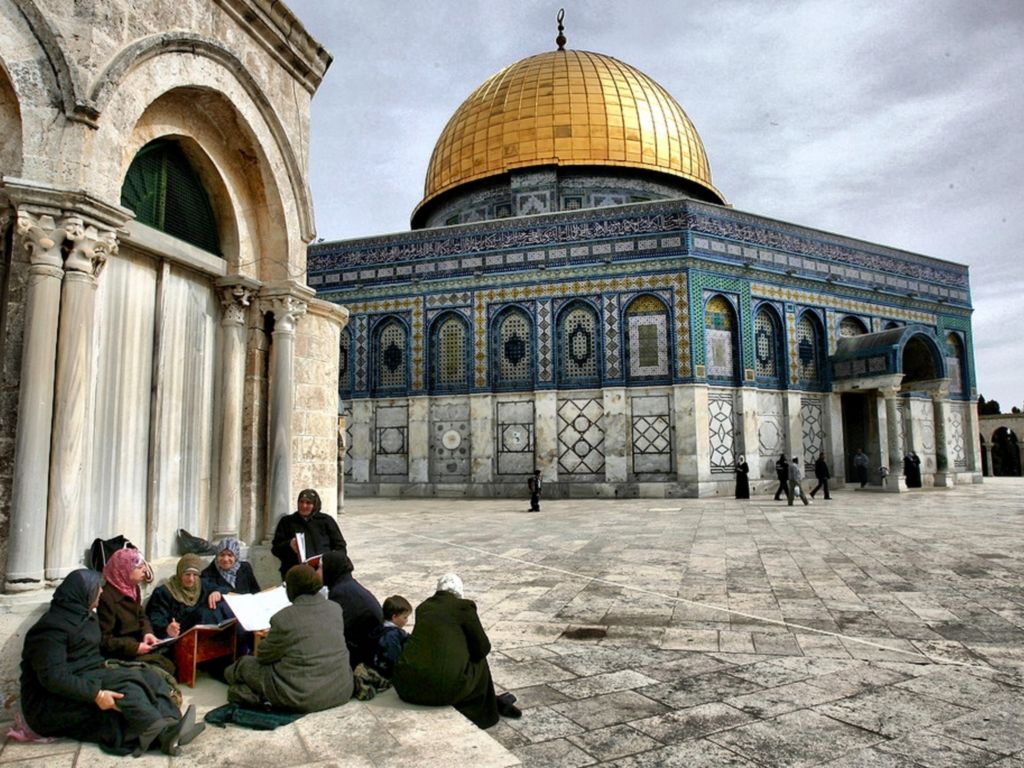
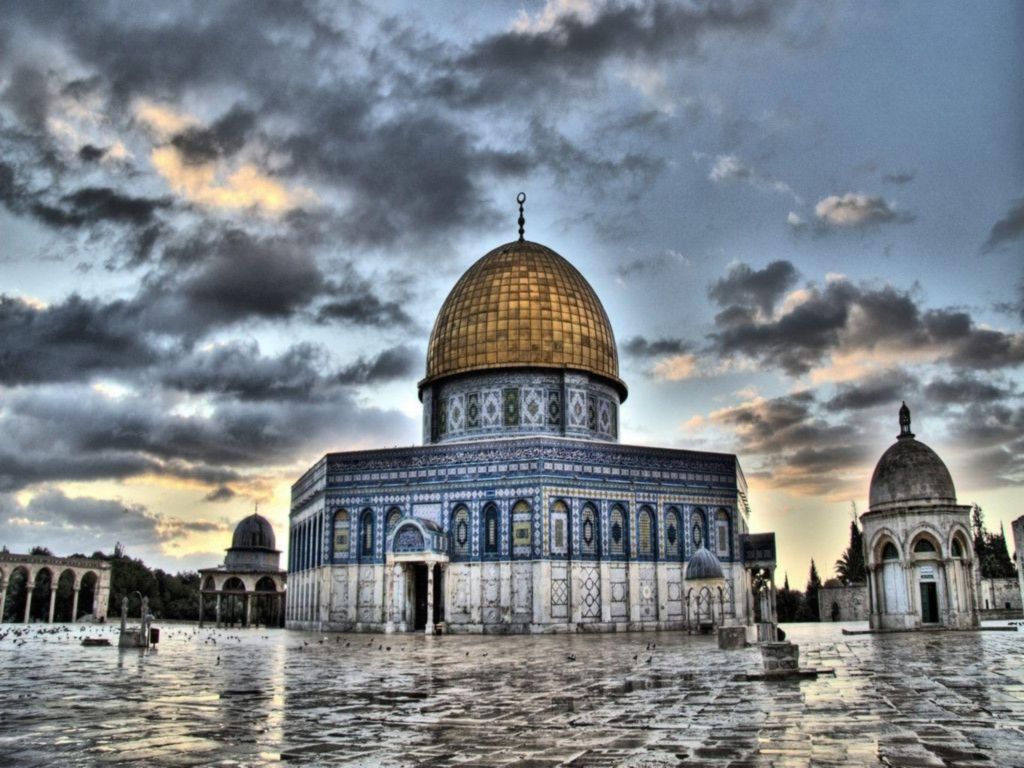
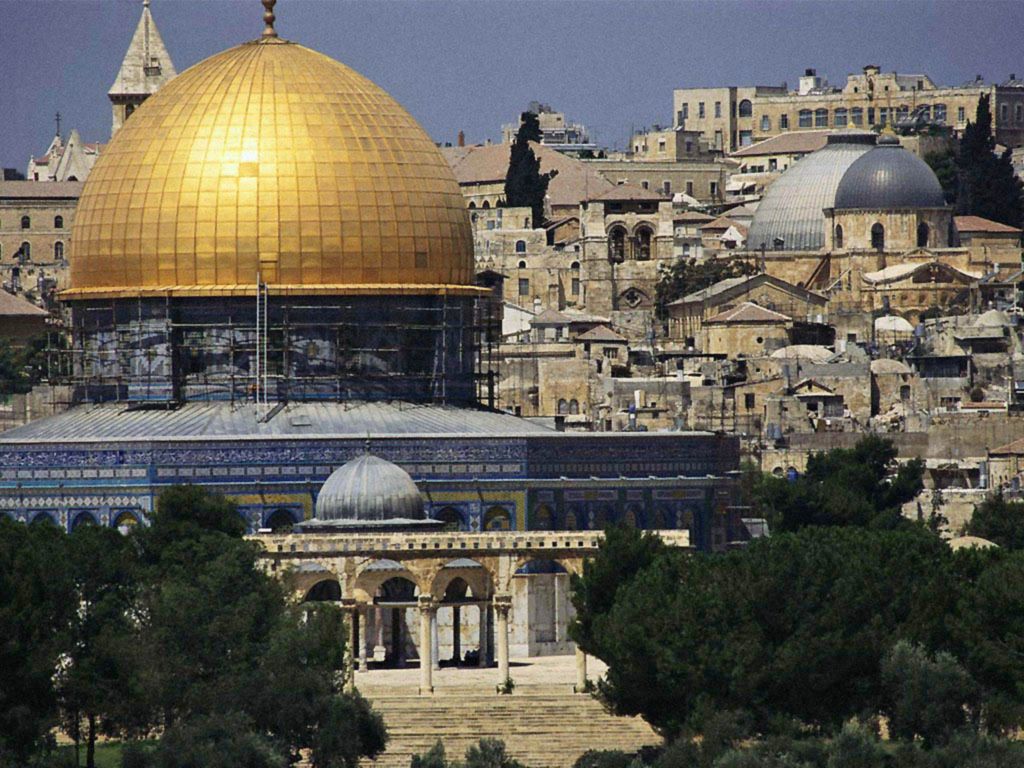
In Sunni Islam, Jerusalem is the third-holiest city. It became the first Qibla, the focal point for Muslim prayer in 610 CE, and, according to Islamic tradition, Muhammad made his Night Journey there ten years later. As a result, and despite having an area of only 0.9 square kilometres, the Old City is home to sites of key religious importance, among them the Temple Mount, the Western Wall, the Church of the Holy Sepulchre, the Dome of the Rock and al-Aqsa Mosque.
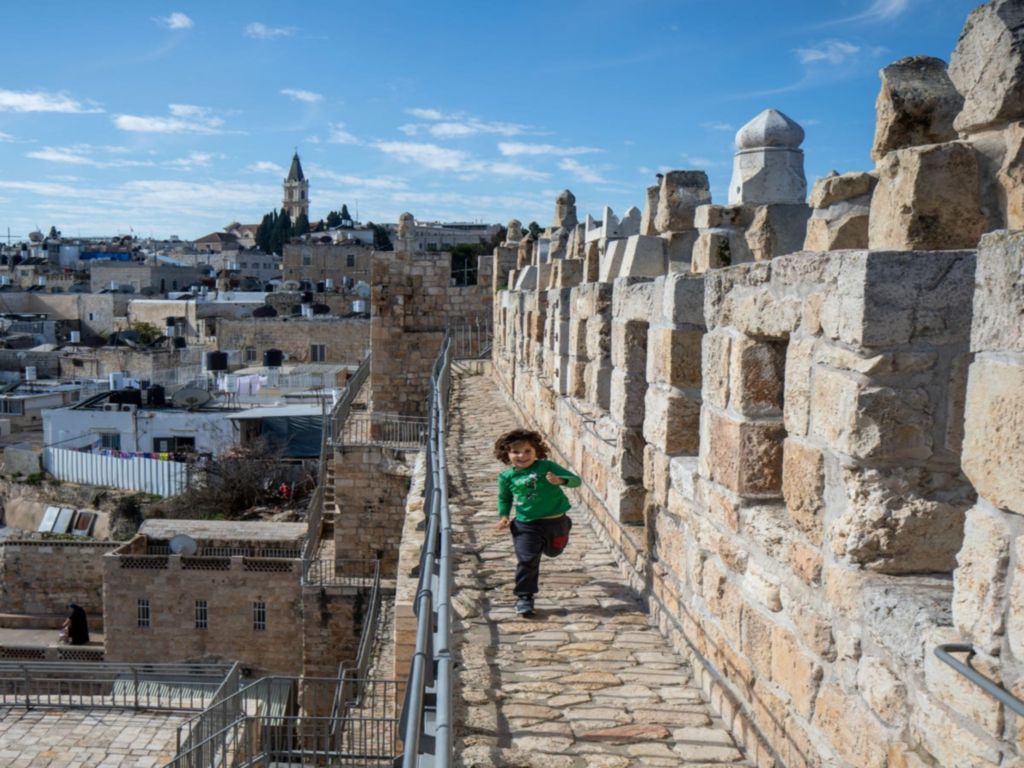
During its long history, Jerusalem has been destroyed twice, besieged 23 times, attacked 52 times, and captured and recaptured 44 times. The oldest part of the city was settled in the 4th millennium BCE, making Jerusalem one of the oldest cities in the world. The old walled city, a World Heritage site, has been traditionally divided into four quarters, although the names used today – the Armenian, Christian, Jewish, and Muslim Quarters – were introduced in the early 19th century.
The Old City was nominated for inclusion on the List of World Heritage Sites in Danger by Jordan in 1982.
We will pick you up from your hotel in Sharm el Sheikh in the earley morning and drive to the Taba border in an air conditioned mini bus. Here you will meet your tour leader who will accompany you untill Jurusalem. On crossing the border you will drive to Arava Valley toward the Dead Sea.
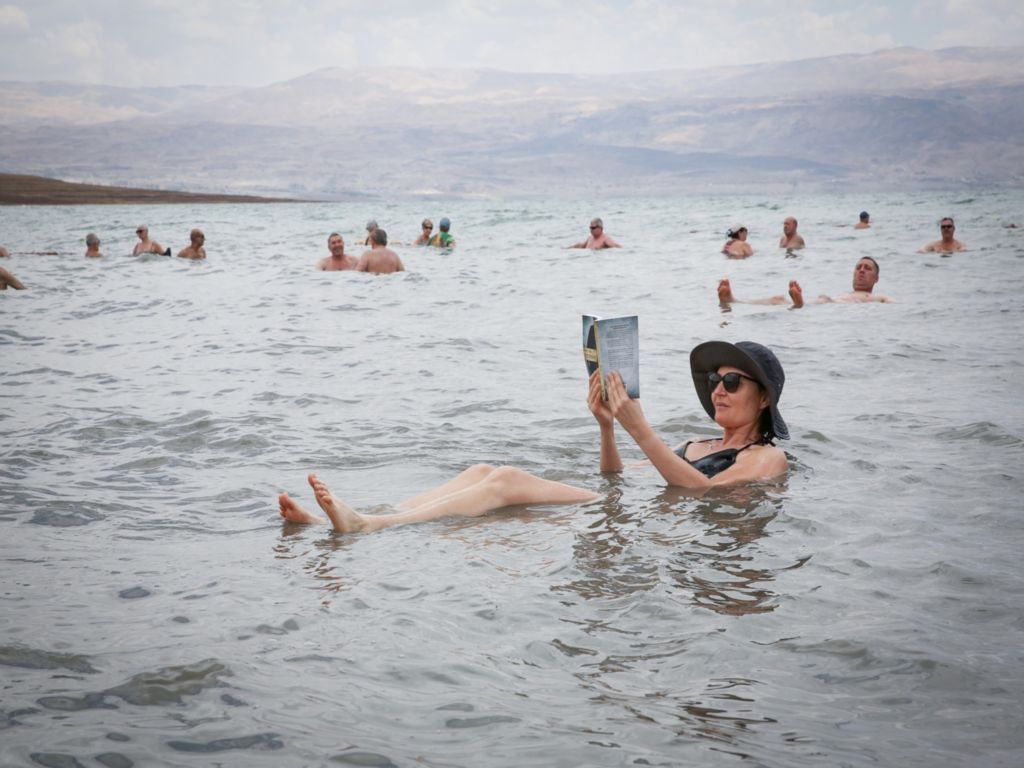
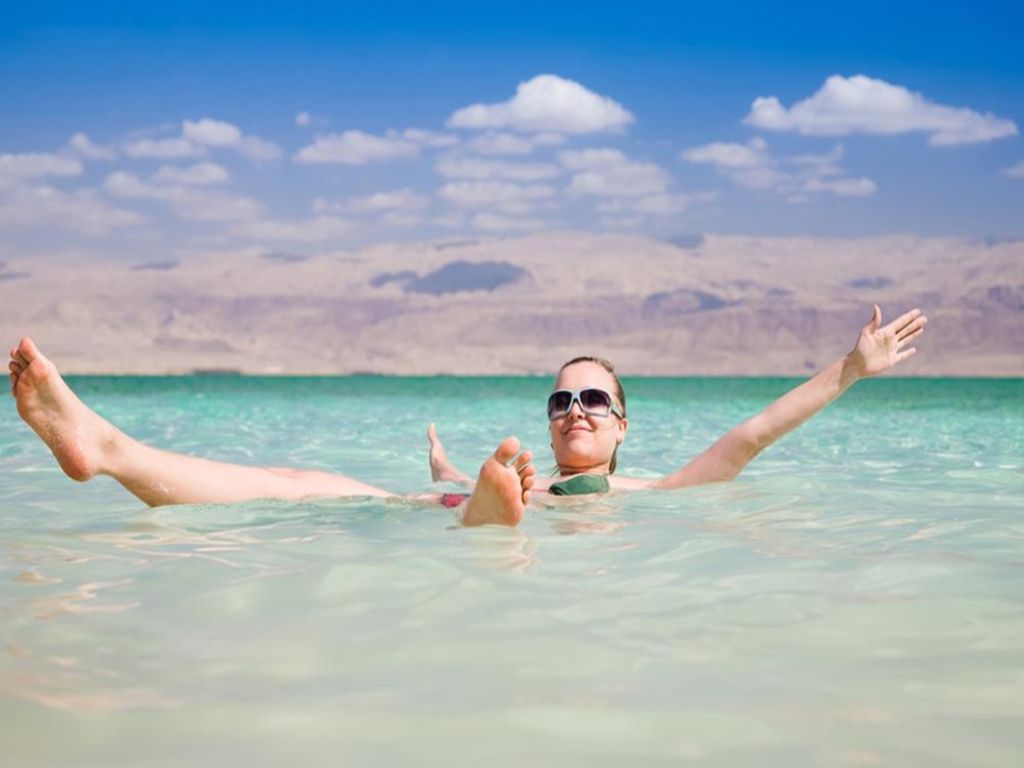
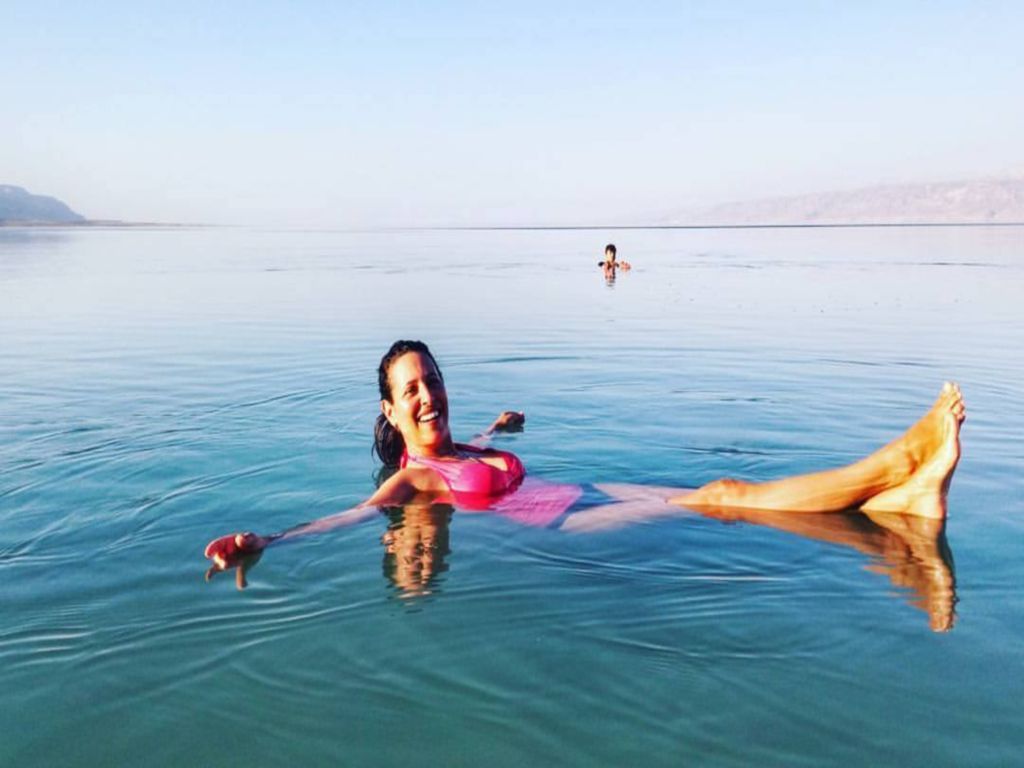
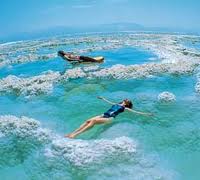 Stop at the Dead Sea for a Float
Famous for it’s high salt content, the Dead Sea was one of the world’s first health resorts (for Herod the Great), and has been the supplier of a wide variety of products, from balms for Egyptian mummification. People also use the salt and the minerals from the Dead Sea to create cosmetics and herbal sachets.
A must for people visiting Egypt the Dead Sea has a density of 1.24�kg/L, so thick that swimming is difficult but providing a relaxing floating experience!
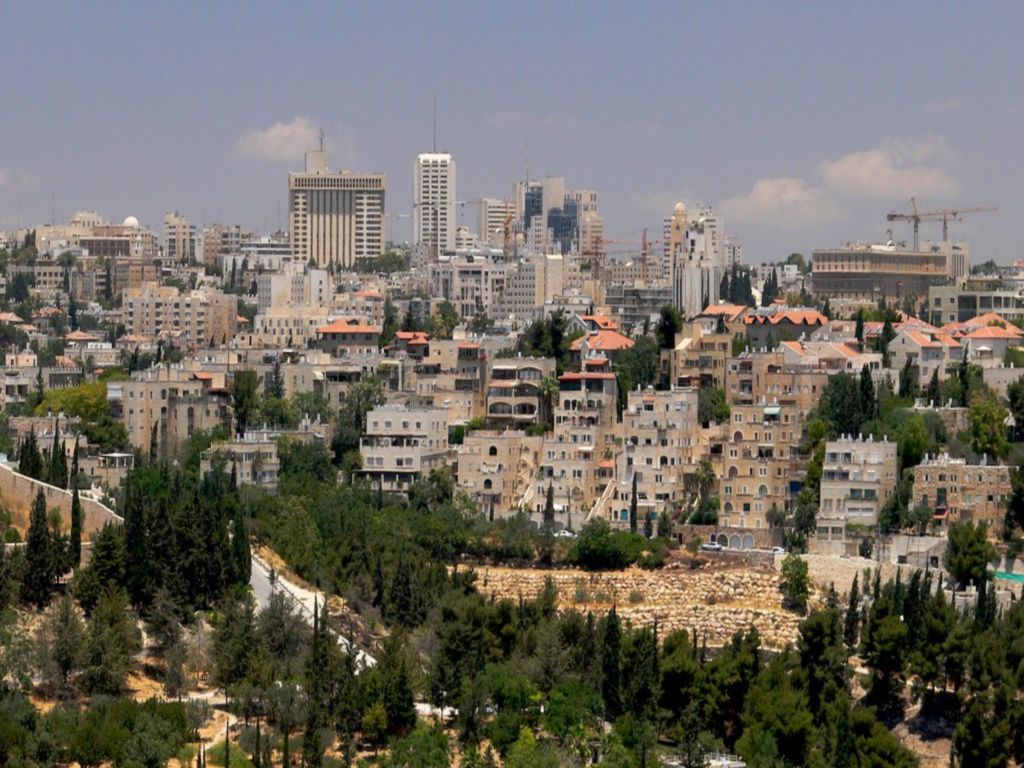
We visit the holy city of Jerusalem, and the Mount of Olives, a mountain ridge in eastern Jerusalem with three peaks running from north to south. The highest, at-Tur, rises to 818 meters. It is named for the olive groves that covers its slopes. The Mount of Olives is associated predominantly with Jewish and Christian traditions but also contains several sites important in Islam. The mount has been used as a Jewish cemetery for over 3,000 years and holds approximately 150,000 graves.
From Biblical times until today, Jews have been buried on the Mount of Olives. The necropolis on the southern ridge, the location of the modern village of Silwan, was the burial place of the city’s most important citizens in the period of the Biblical kings.
From the panoramic views at the Mount of Olives you will be given an introduction to the city and it’s long and eventful history.
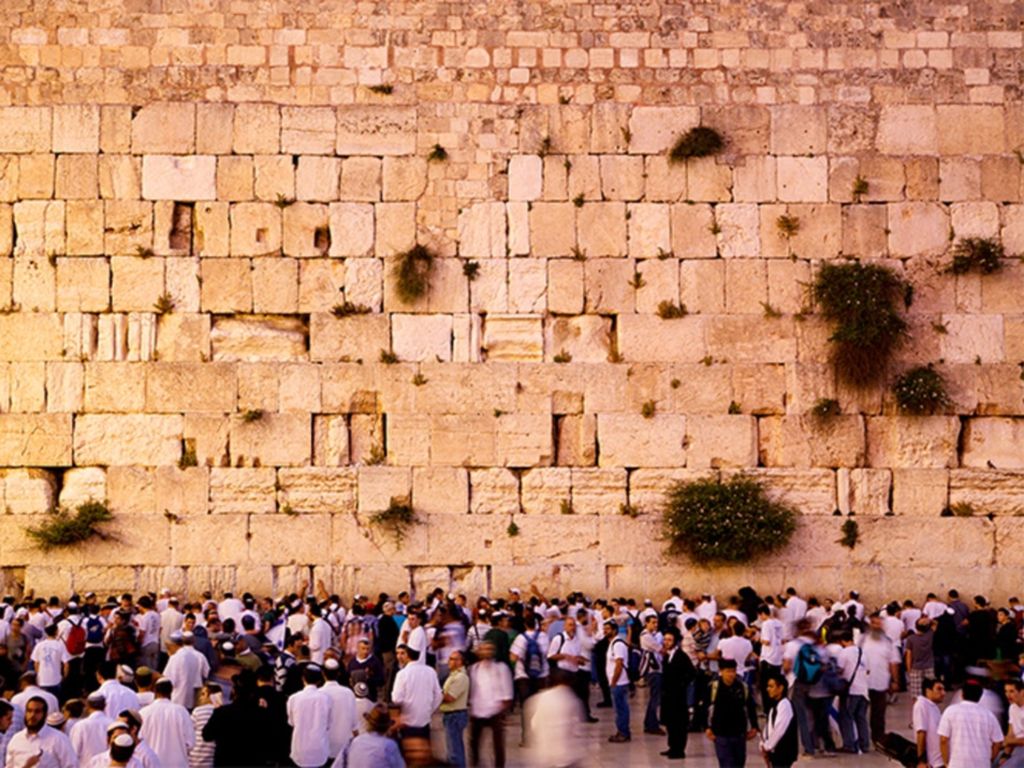
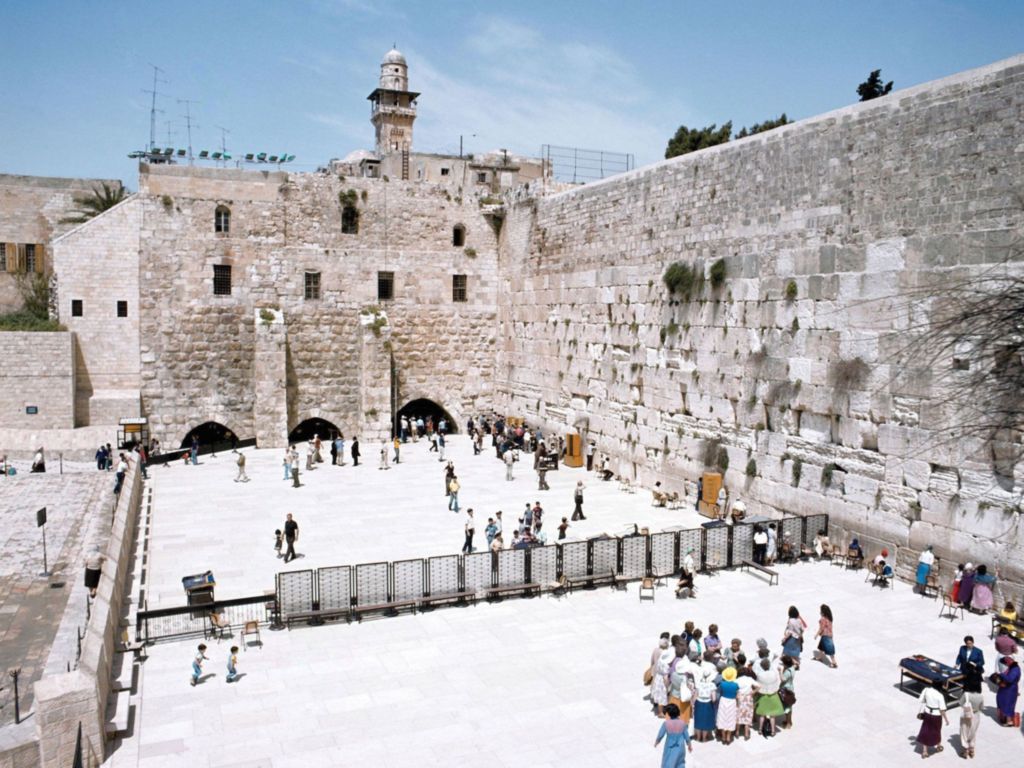
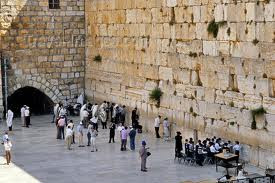 Wailing Wall of Jerusalem
We drive down to the Old City , and start with the Wailing Wall, which represents the last remnants of the Jewish Temple, destroyed by the Romans.
It is a remnant of the ancient wall that surrounded the Jewish Temple’s courtyard, and is one of the most sacred sites in Judaism outside of the Temple Mount itself. It has been a site for Jewish prayer and pilgrimage for centuries, the earliest source mentioning Jewish attachment to the site dating from the 4th century.
Usually you can see the various types of Jews can be seen worshipping here.
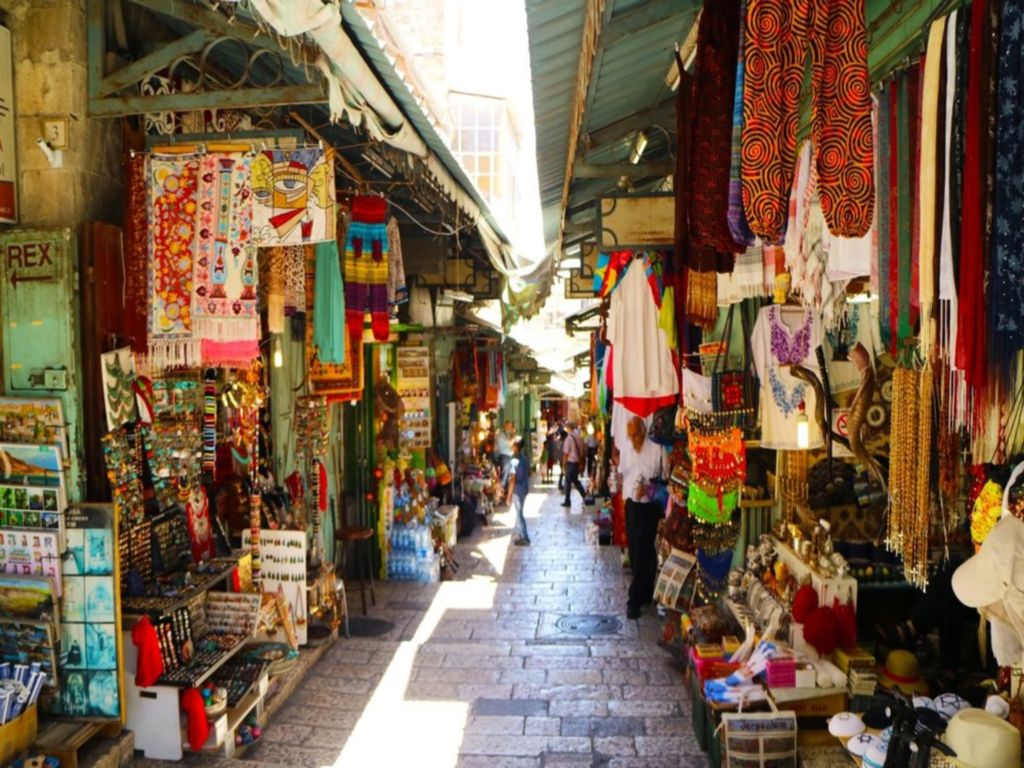
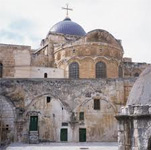 After the Wailing wall we continue through the Arab Market to the Via Dolorosa, Jesus Way of Suffering which leads us to the Church of the Holy Sepulcher, where according to the Christian tradition Jesus was crucified and buried.
The site is venerated as Golgotha, where Jesus was crucified, and is said to also contain the place where Jesus was buried (the sepulchre). The church has been an important Christian pilgrimage destination since at least the 4th century, as the purported site of the resurrection of Jesus.
Today it also serves as the headquarters of the Greek Orthodox Patriarch of Jerusalem, while control of the building is shared between several Christian churches and secular entities in complicated arrangements essentially unchanged for centuries.
We drive to the New City of Jerusalem along the Israel Government area, taking a look , among others at the Knesset building used to house the Israel Parliament.
After seeing the sights of Jerusalem and learning about it’s amazing history, we then cross the border back to Egypt and drive you back to your hotel.

Member Since 2023











Leave a reply